


BEST SEWING MACHINE FOR HOME PROJECTS AND DIY CRAFTS
- ankit234586
- Mar 4
- 5 min read

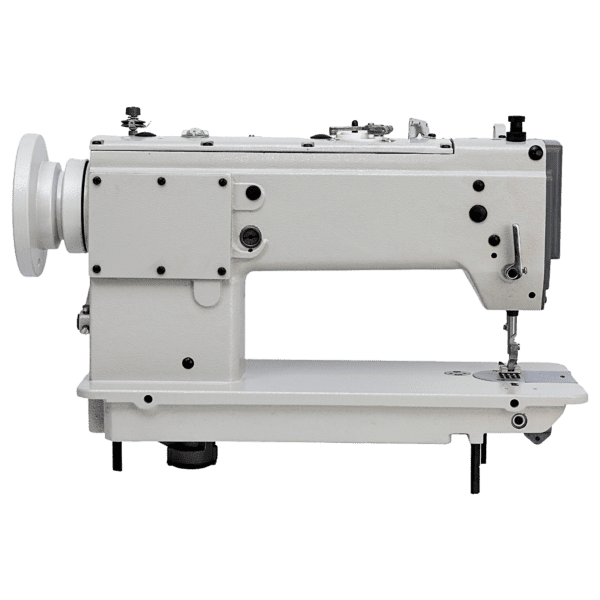
A sewing machine is one of the most essential tools in garment making, textile production, and home crafting. It speeds up stitching tasks, produces consistent seams, and allows users to create strong and precise fabric joins. From repairing clothes at home to producing garments in factories, sewing machines have become a core part of modern textile work.
Modern sewing machines combine mechanical engineering with electronic features to simplify stitching tasks. Many machines now include automated stitch patterns, adjustable speed controls, and specialized attachments for embroidery or quilting. Understanding how sewing machines work, their types, and how to choose the right model helps beginners and professionals achieve better sewing results.
How a Sewing Machine Works
A sewing machine forms stitches by interlocking two threads using a needle and a bobbin. The needle thread moves through the fabric while the bobbin thread loops from underneath, creating a secure stitch.
The machine operates through several coordinated components:
Needle mechanism that penetrates the fabric repeatedly
Bobbin system that provides the lower thread
Feed dogs that move the fabric forward after each stitch
Presser foot that holds the fabric in place
Motor or handwheel that drives the stitching motion
As the needle moves up and down, it carries thread through the fabric layers. The bobbin thread catches the loop underneath, locking both threads together. This process repeats rapidly, forming continuous stitches across the material.
Main Types of Sewing Machines
Different sewing machines serve specific sewing tasks. Choosing the correct type improves stitching efficiency and overall project quality.
Mechanical Sewing Machines
Mechanical sewing machines operate using manual knobs and dials to adjust stitch length, width, and tension. They are straightforward to operate and commonly used by beginners.
These machines are durable and require minimal electronics. Many home users prefer mechanical models for basic stitching, repairs, and simple garment construction.
Electronic Sewing Machines
Electronic sewing machines include built-in motors and digital controls. Users can select stitch patterns, adjust speed, and automate tasks using buttons or touch panels.
These machines provide greater precision and convenience. They are suitable for hobbyists who want multiple stitch styles, decorative patterns, and improved control over fabric handling.
Computerized Sewing Machines
Computerized sewing machines represent the most advanced category. They include programmable stitch settings, memory storage, automatic threading, and embroidery functions.
Professionals and advanced users prefer these machines for complex projects such as embroidery, quilting, and fashion design. The software-controlled features allow consistent results across detailed stitching patterns.
Industrial Sewing Machines
Industrial sewing machines are designed for continuous operation in garment factories and textile production units. These machines offer high-speed stitching and strong motors capable of handling heavy fabrics.
They specialize in specific tasks like overlocking, button sewing, or heavy-duty stitching. Industrial models are built for durability and high productivity.
Key Features to Consider When Buying a Sewing Machine
Selecting the right sewing machine involves evaluating several performance features.
Stitch Options
Different machines provide varying stitch styles including straight stitch, zigzag stitch, decorative patterns, and stretch stitches. More stitch options allow users to work on diverse sewing projects.
Automatic Needle Threader
Automatic needle threaders simplify threading the needle, which saves time and reduces frustration, especially for beginners.
Adjustable Stitch Length and Width
These adjustments allow control over stitch density and spacing. Proper adjustments improve seam strength and fabric appearance.
Built-In Presser Feet
Many machines include specialized presser feet for tasks like zipper installation, buttonholes, quilting, and hemming. These attachments expand the machine’s capabilities.
Speed Control
Speed control helps users manage stitching pace, which is helpful when working with delicate fabrics or detailed sewing patterns.
Sewing Machine vs Hand Sewing
Hand sewing is suitable for small repairs, delicate adjustments, and detailed embroidery work. It offers control but takes significantly more time for larger projects.
A sewing machine provides speed, consistency, and stronger stitches. Large fabric projects such as garments, curtains, quilts, and upholstery become far more efficient when stitched using a machine.
Most sewing enthusiasts combine both methods. Machines handle the main seams while hand stitching is used for finishing details.
Common Sewing Machine Applications
Sewing machines are used across many industries and personal projects.
Garment Making
Fashion designers and tailors use sewing machines to construct shirts, dresses, jackets, and trousers. Accurate stitching ensures durability and clean garment structure.
Home Textile Projects
Sewing machines help create curtains, cushion covers, bedsheets, and upholstery. Custom home décor projects often rely on machine stitching for strong seams.
Quilting
Quilting involves stitching multiple fabric layers together. Specialized quilting machines help maintain stitch consistency across large patterns.
Repair and Alteration
Sewing machines simplify clothing repairs, hemming pants, replacing zippers, and adjusting garment sizes.
Examples of Sewing Machine Use
Several practical scenarios demonstrate the versatility of sewing machines.
A home user may use a sewing machine to shorten trousers, repair torn seams, or create custom pillow covers. These simple tasks extend the lifespan of garments and reduce replacement costs.
Fashion designers rely on computerized sewing machines to construct garments with decorative stitching patterns and precise seam finishes. These machines allow rapid experimentation with fabrics and styles.
Industrial manufacturers use specialized sewing machines to assemble thousands of garments daily. High-speed stitching ensures consistent production quality.
Expert Tips for Better Sewing Machine Results
Use the correct needle type for the fabric being stitched.
Maintain proper thread tension to avoid loose or uneven stitches.
Clean the bobbin area regularly to remove lint and dust buildup.
Test stitches on scrap fabric before starting a project.
Use high-quality thread to prevent breakage during stitching.
Common Sewing Machine Mistakes
Using the wrong needle size for thick or delicate fabrics.
Incorrect thread tension causing skipped stitches or loops.
Pulling fabric while sewing, which distorts stitches.
Ignoring machine cleaning, leading to poor performance.
Using dull needles, which damages fabric and reduces stitch quality.
Avoiding these mistakes ensures smoother sewing operations and longer machine lifespan.
Conclusion
A sewing machine transforms fabric stitching into a fast, precise, and efficient process. From home repairs to professional garment manufacturing, this tool plays a central role in modern textile work.
Understanding machine types, key features, and proper operation techniques helps users achieve better stitching results. Mechanical machines suit beginners, while electronic and computerized models support advanced sewing projects.
Regular maintenance, correct needle selection, and proper machine handling significantly improve sewing quality. With the right sewing machine and basic knowledge, both beginners and experienced users can complete sewing projects with accuracy and confidence.
Top 5 SEO FAQs
1. What is a sewing machine used for?
A sewing machine is used to stitch fabric pieces together for garments, home textiles, repairs, quilting, and various craft projects.
2. Which sewing machine is best for beginners?
Mechanical sewing machines with basic stitch options and simple controls are widely recommended for beginners because they are easy to operate.
3. What fabrics can a sewing machine handle?
Sewing machines can stitch cotton, denim, polyester, silk, and many other fabrics depending on the needle type and machine power.
4. How often should a sewing machine be serviced?
Regular cleaning after projects and professional servicing once a year helps maintain performance and extend machine life.
5. Can a sewing machine sew thick fabrics?
Heavy-duty or industrial sewing machines can stitch thick materials like denim, leather, and upholstery fabrics effectively.




Comments